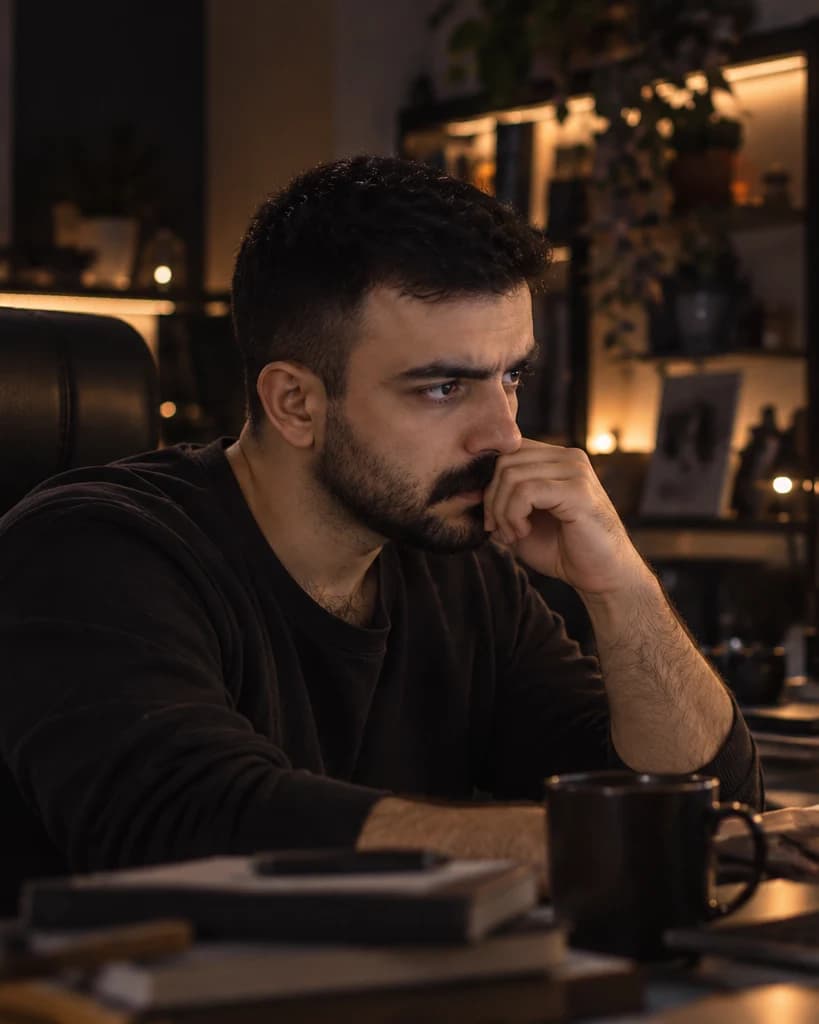

Hamishegi
Dota 2 team manager
I ran the team: finding and entering tournaments, organising practice, and everything else a competitive roster needs to keep playing.
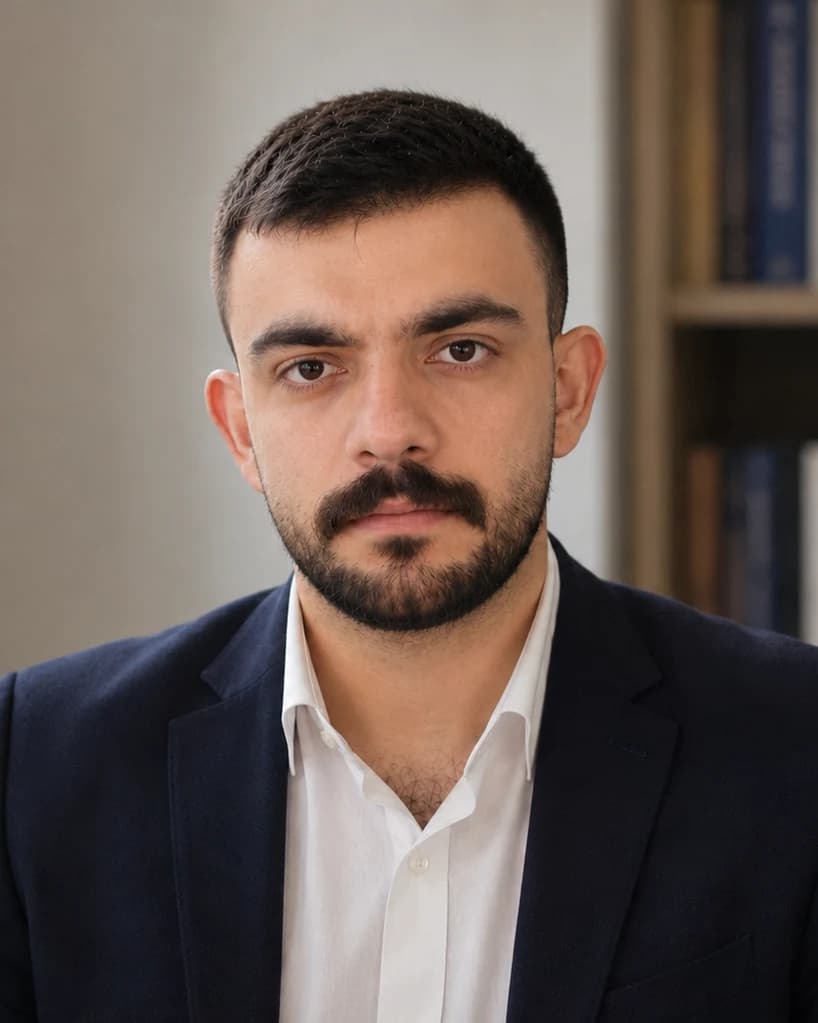
A gaming company.
A German course.
I didn’t know they belonged to the same story.
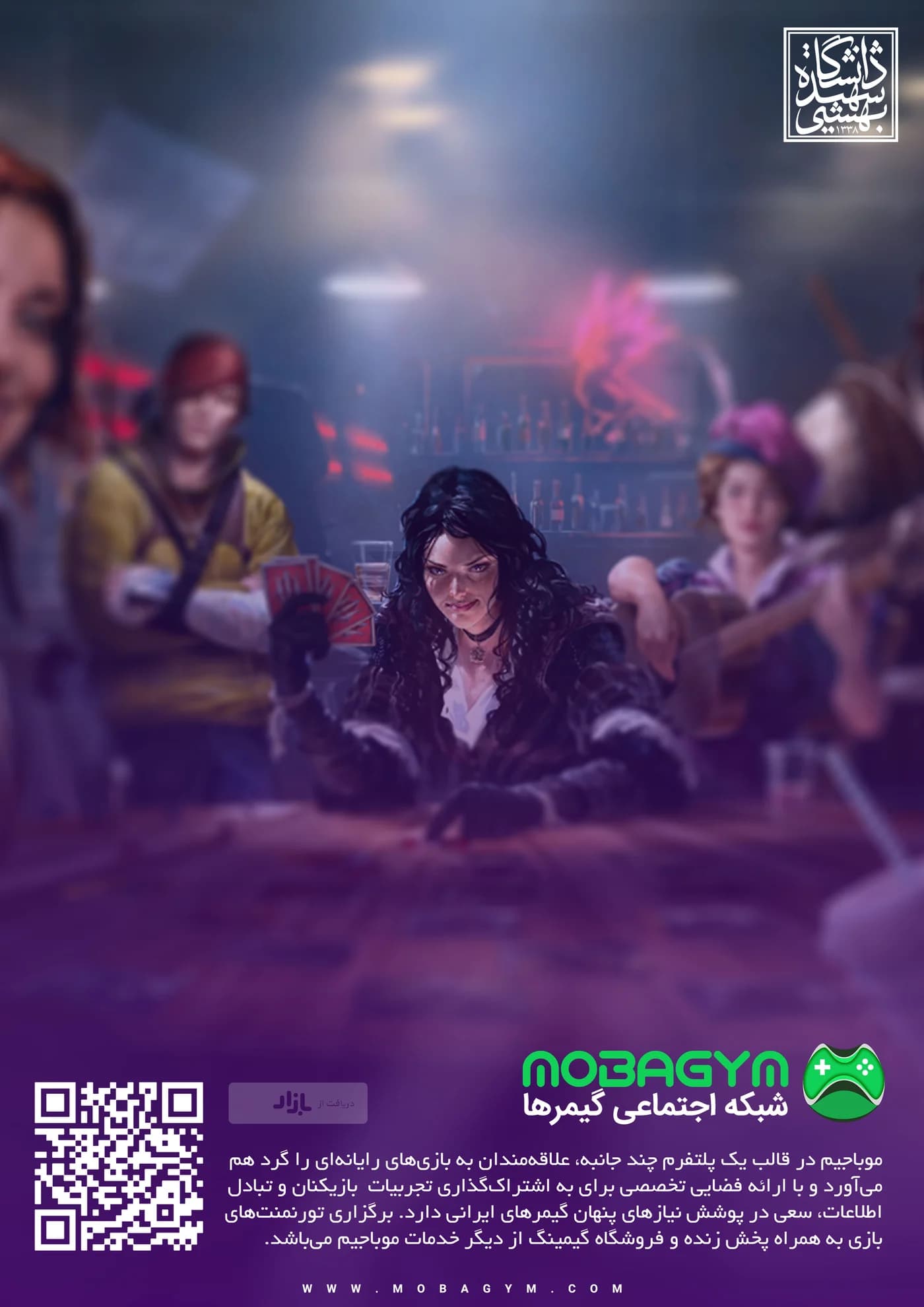
I joined MOBAGYM, a social network for gamers, as a designer.
Then I started working on the product. Then the mobile application. Then development. Eventually, I was leading part of the team building it.
It was one of the first places where design, software and gaming stopped feeling like separate disciplines.

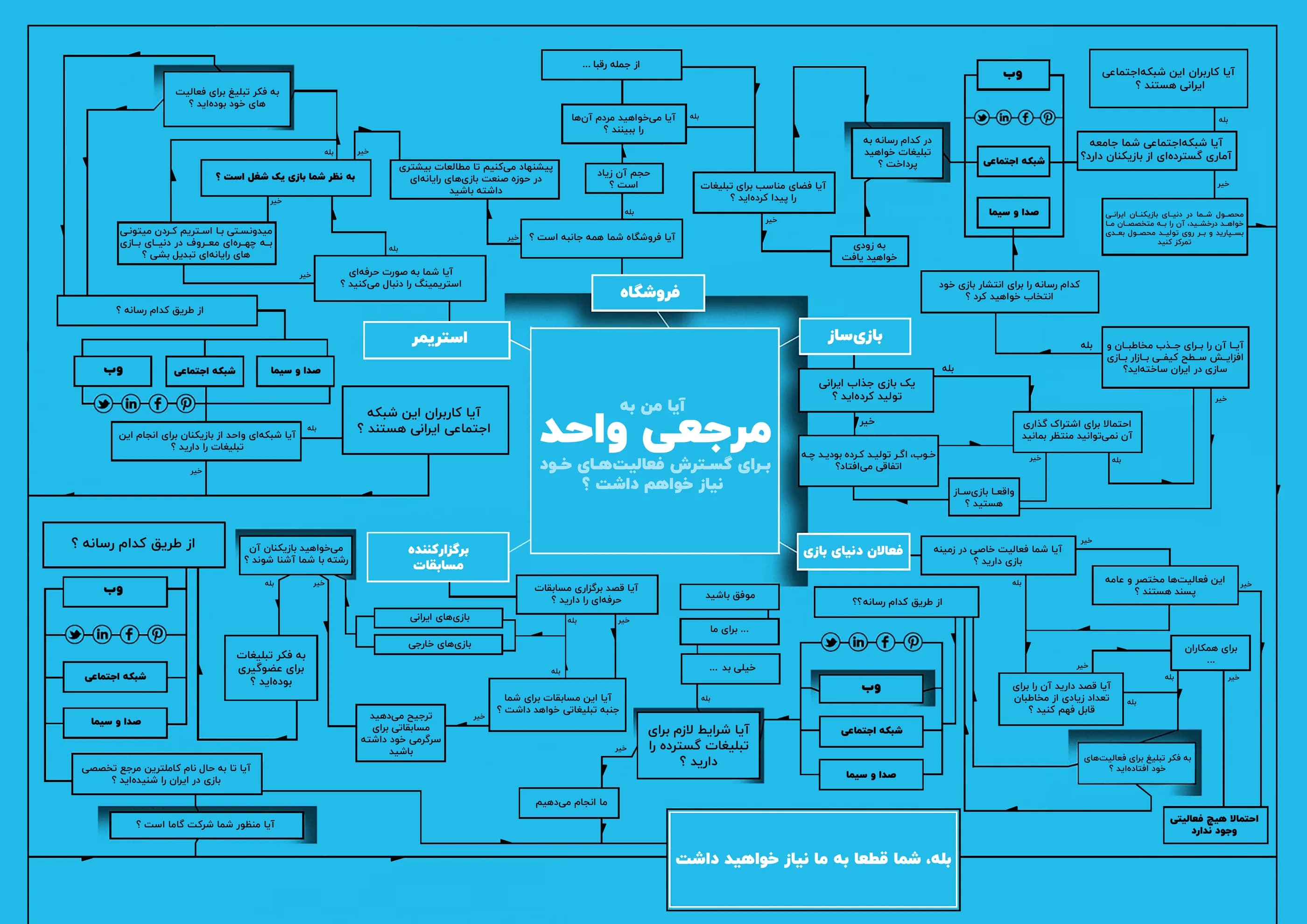
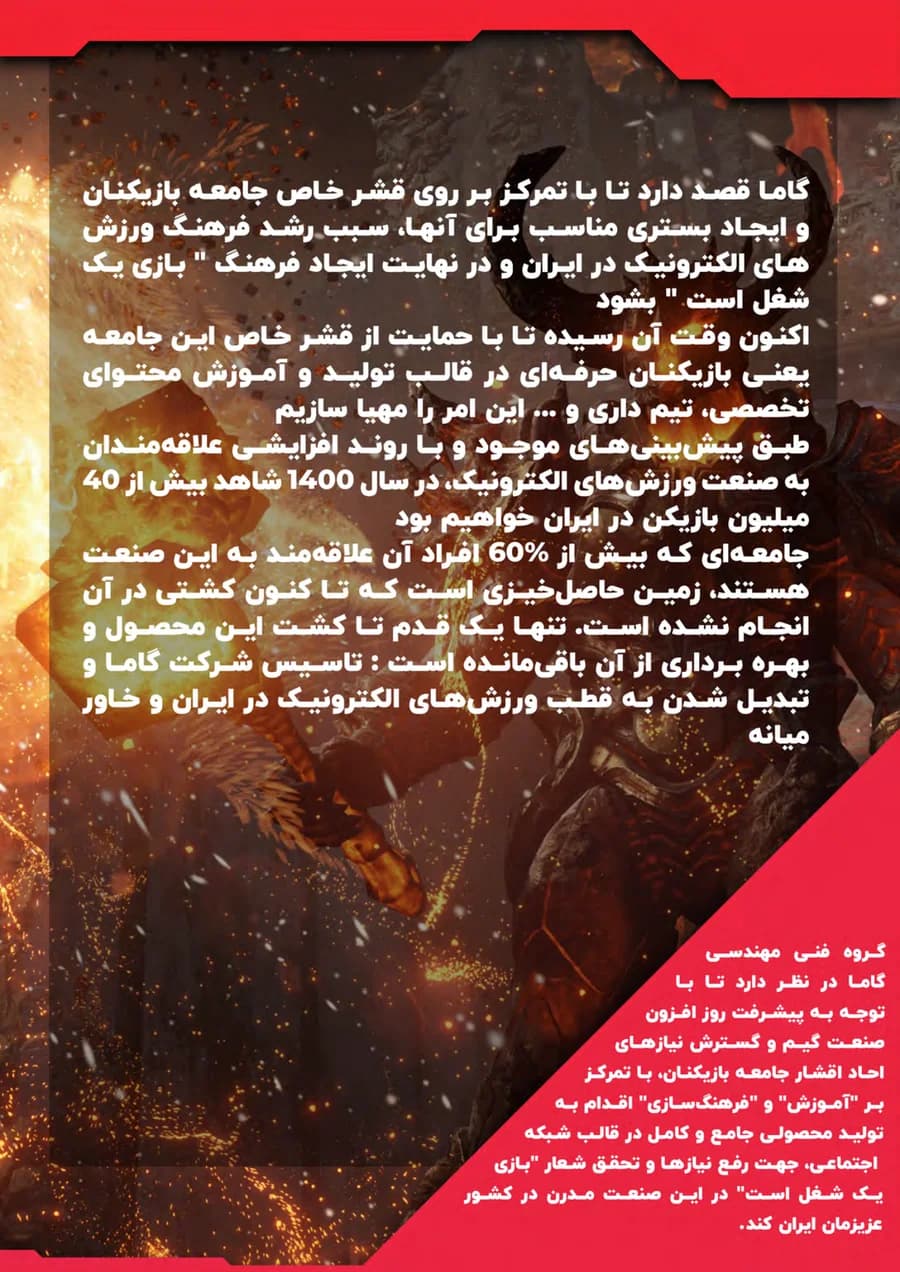
WOG · World of Gamers — slogan, 2020
After leaving MOBAGYM, I spent seven months writing the proposal, finding an investor and preparing a company of my own.
In 2020 it became WOG — World of Gamers. The goal was larger than an esports team: an ecosystem for Iranian players — teams, tournaments, content, community, a game house, and a path toward playing professionally.
Most of the product did not survive. The thinking did.
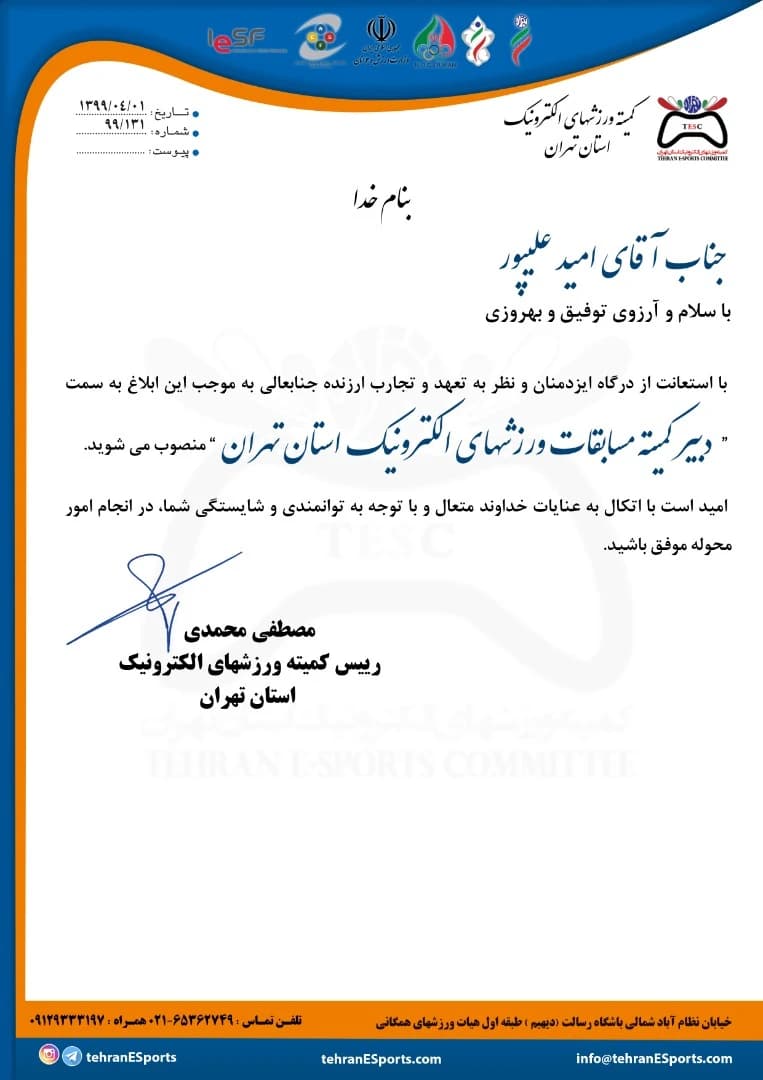
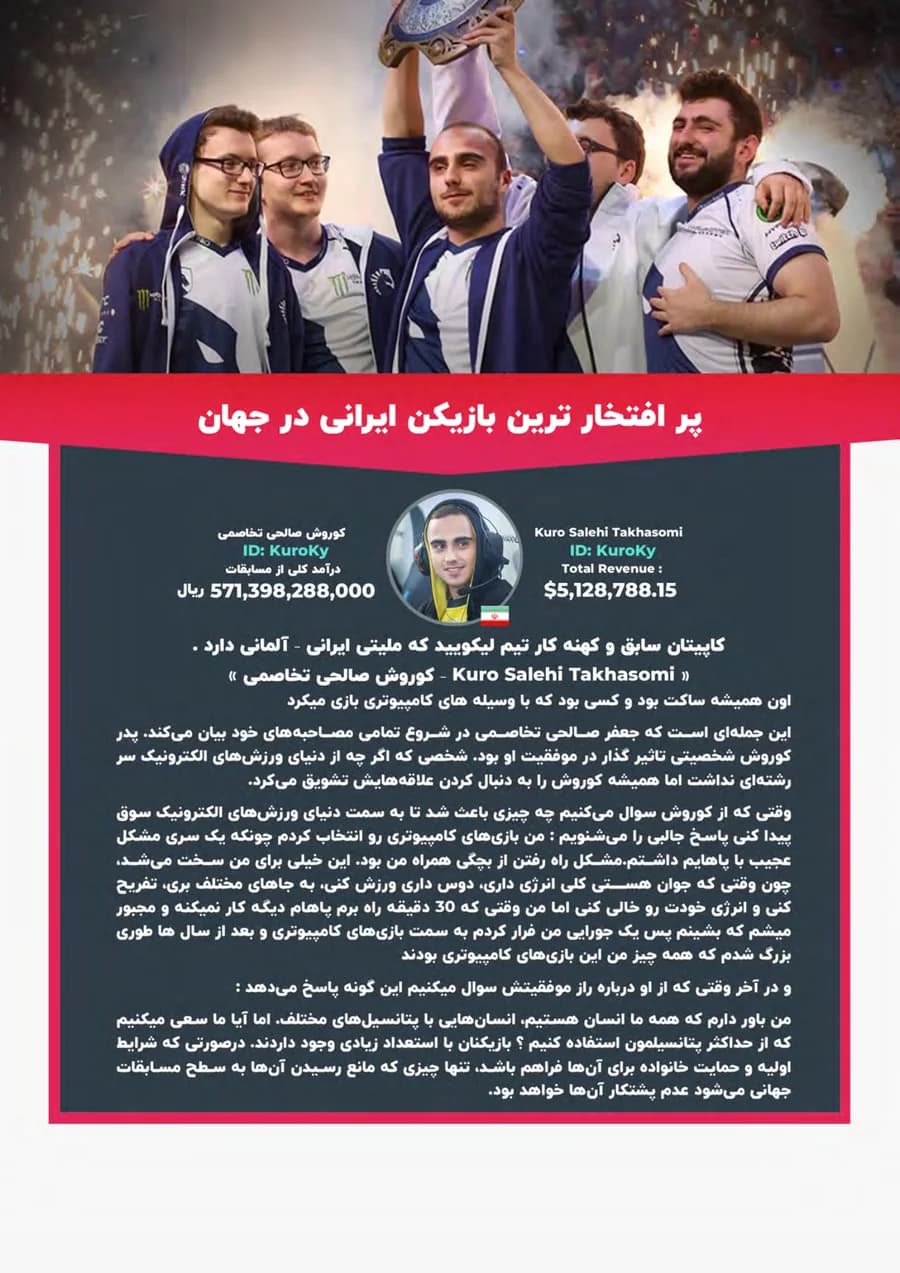
دبیر کمیته مسابقات ورزشهای الکترونیک استان تهران
Appointed by Mostafa Mohammadi, head of the Tehran Province Electronic Sports Committee. The title above is a direct translation of the letter — nothing more.
At the time, the decision had nothing to do with building an education company.
Part of my family lived in Germany. I was interested in art and literature. And I thought I might eventually leave Iran.
I didn’t.
I ran the team: finding and entering tournaments, organising practice, and everything else a competitive roster needs to keep playing.
Zino Network worked with YouTube creators on their foreign-currency revenue, and covered the Iranian Pro League on YouTube. It wanted a gaming division, and asked me to build it: tournaments, content, proposals and fundraising.
After about three months I concluded the direction was unlikely to work, and left.
Posters, identities, reports and infographics — for my own companies and for clients. Design was never a separate job. It was how I thought through a problem.
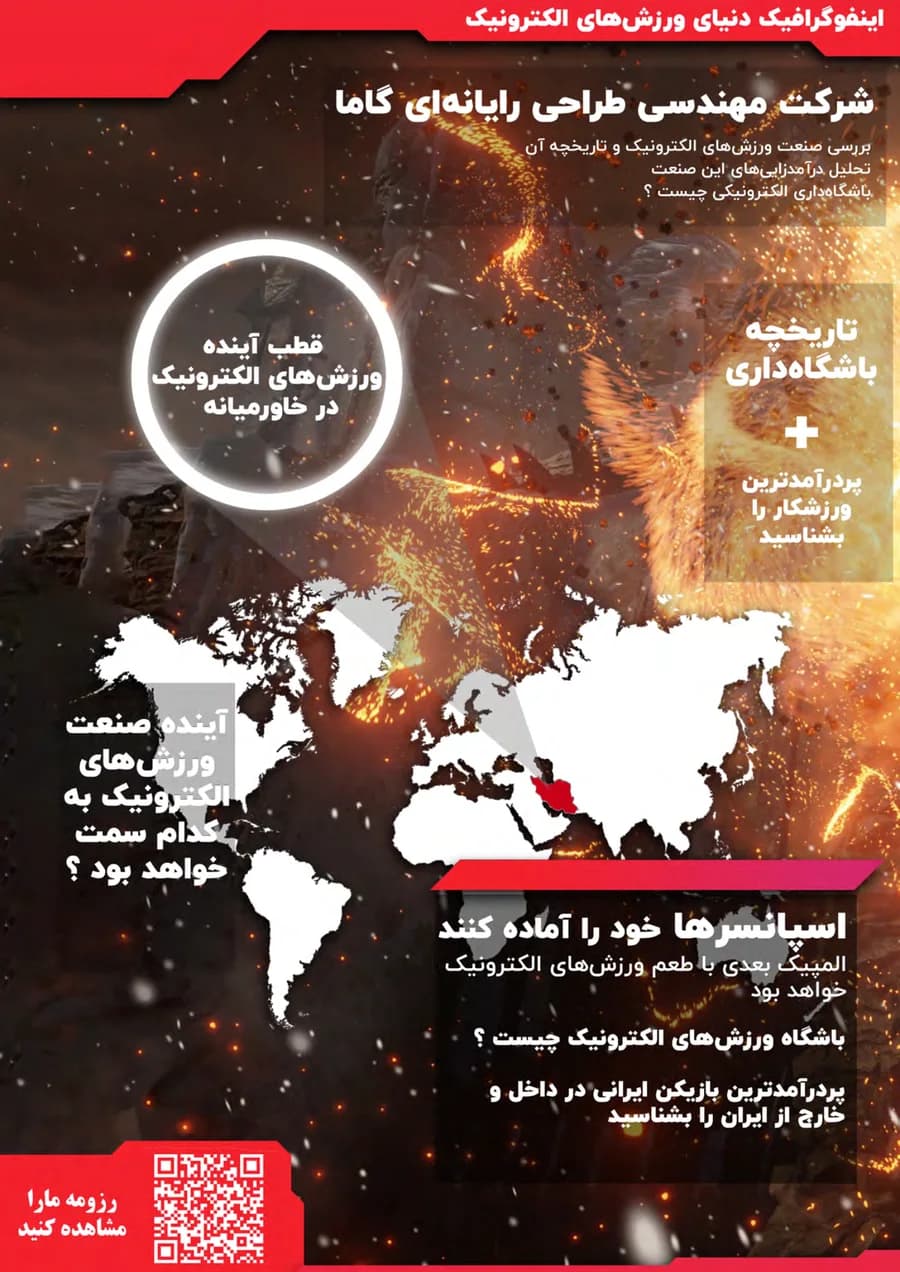
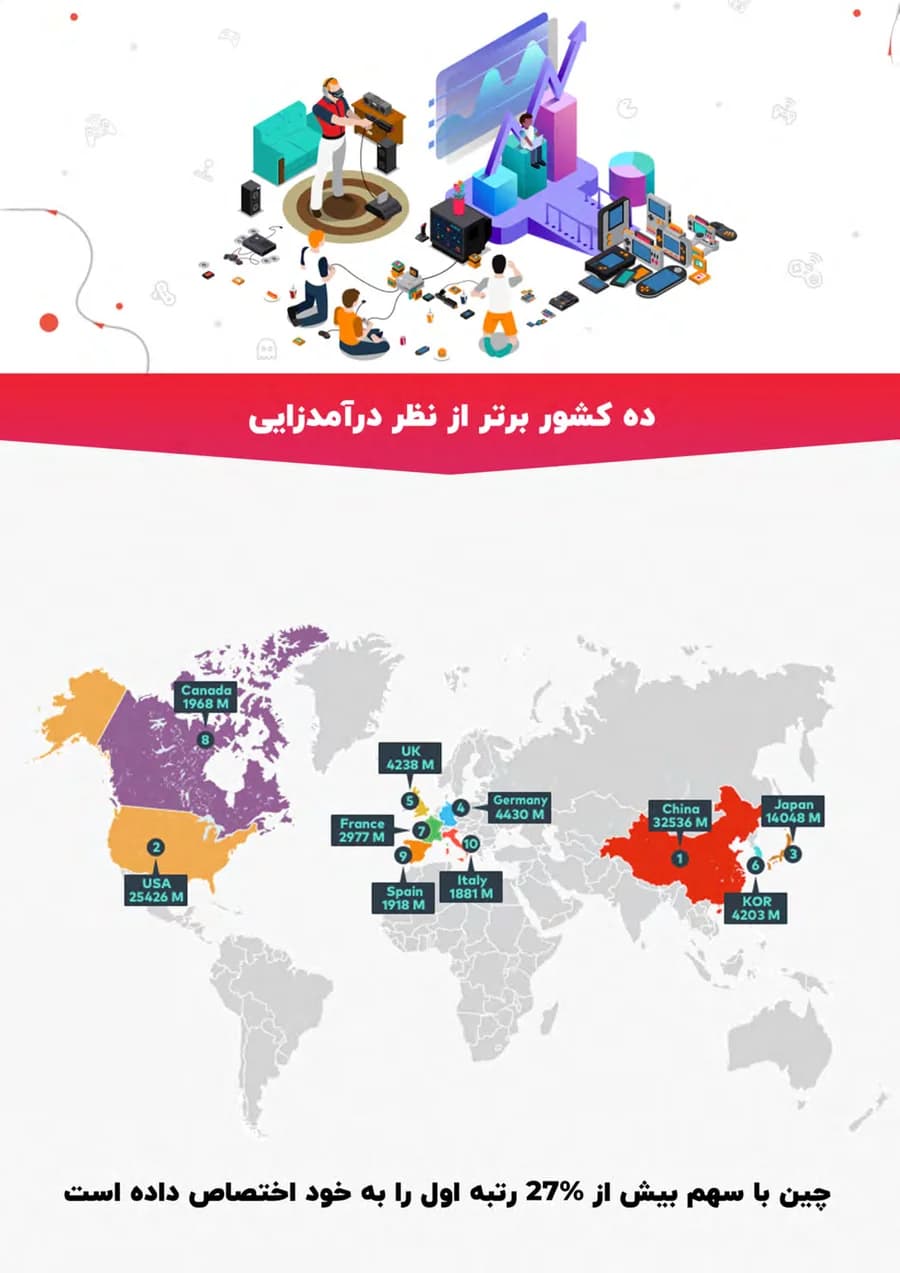
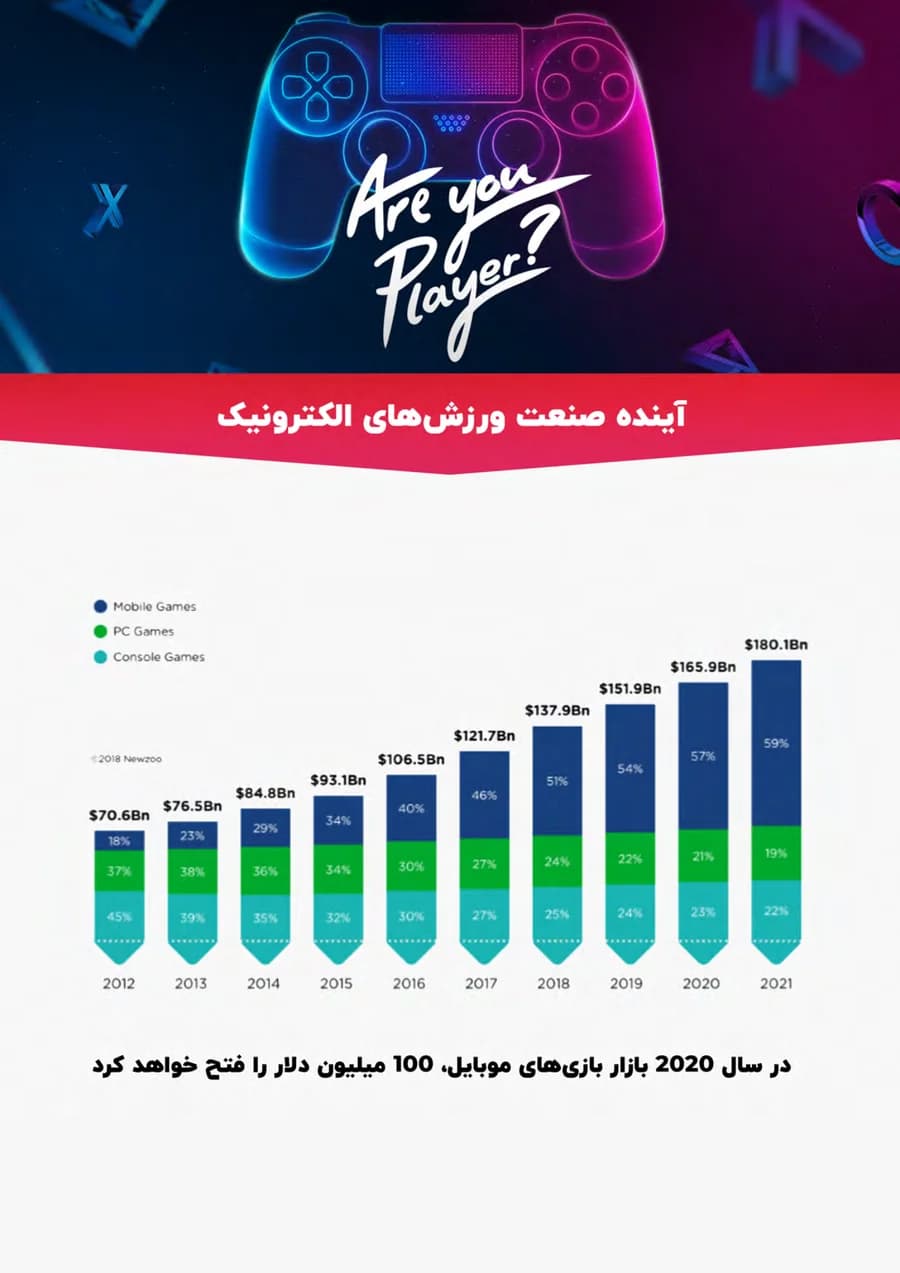
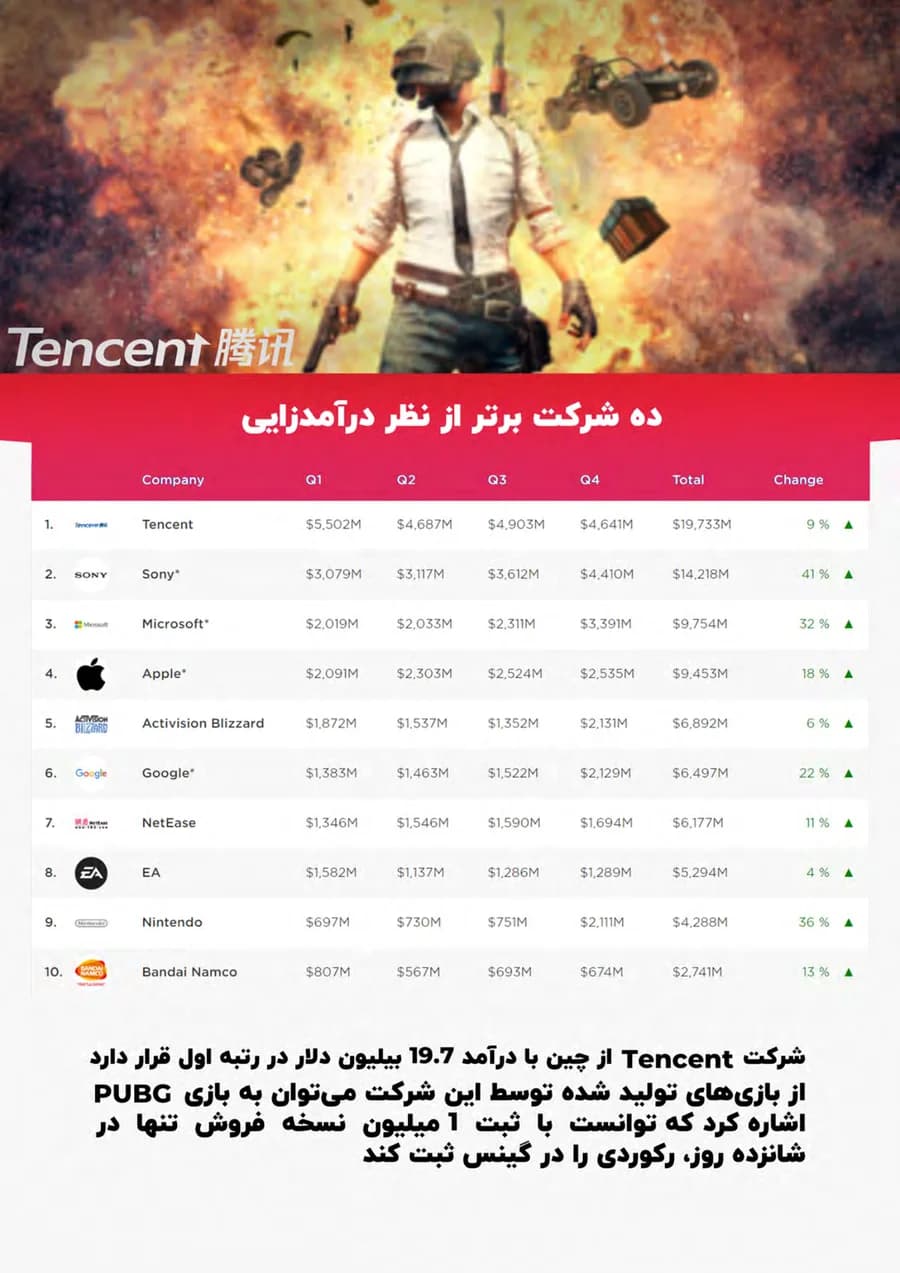
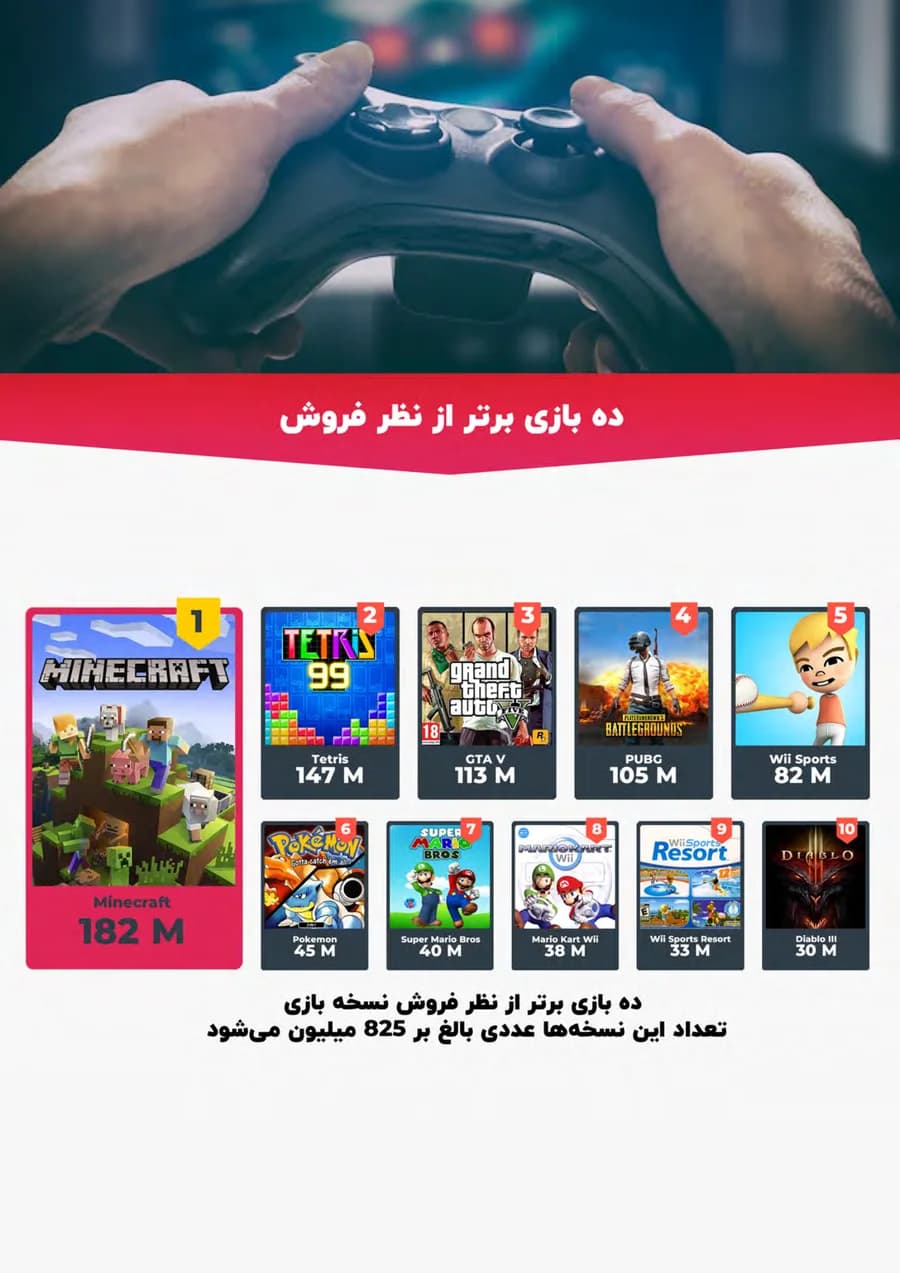
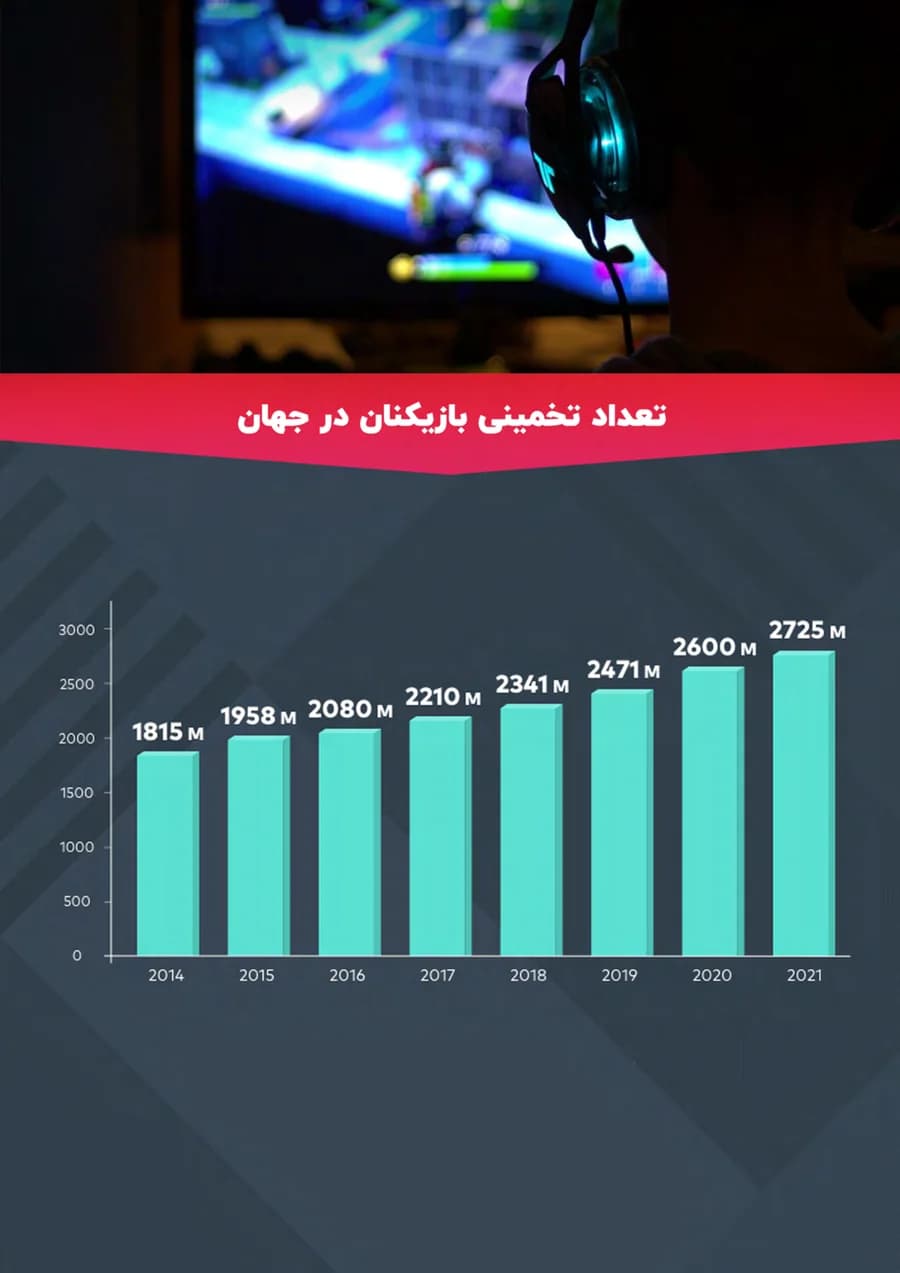
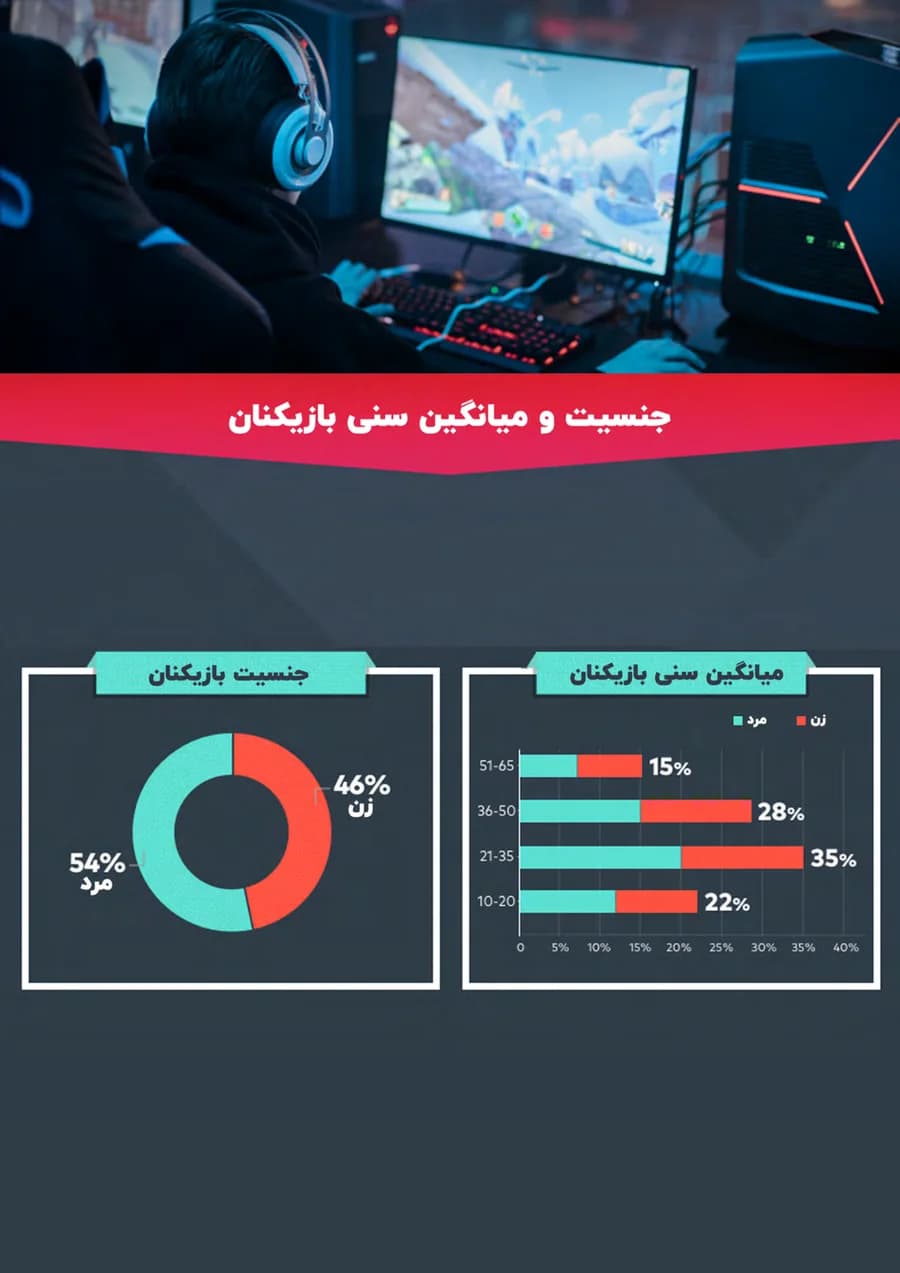
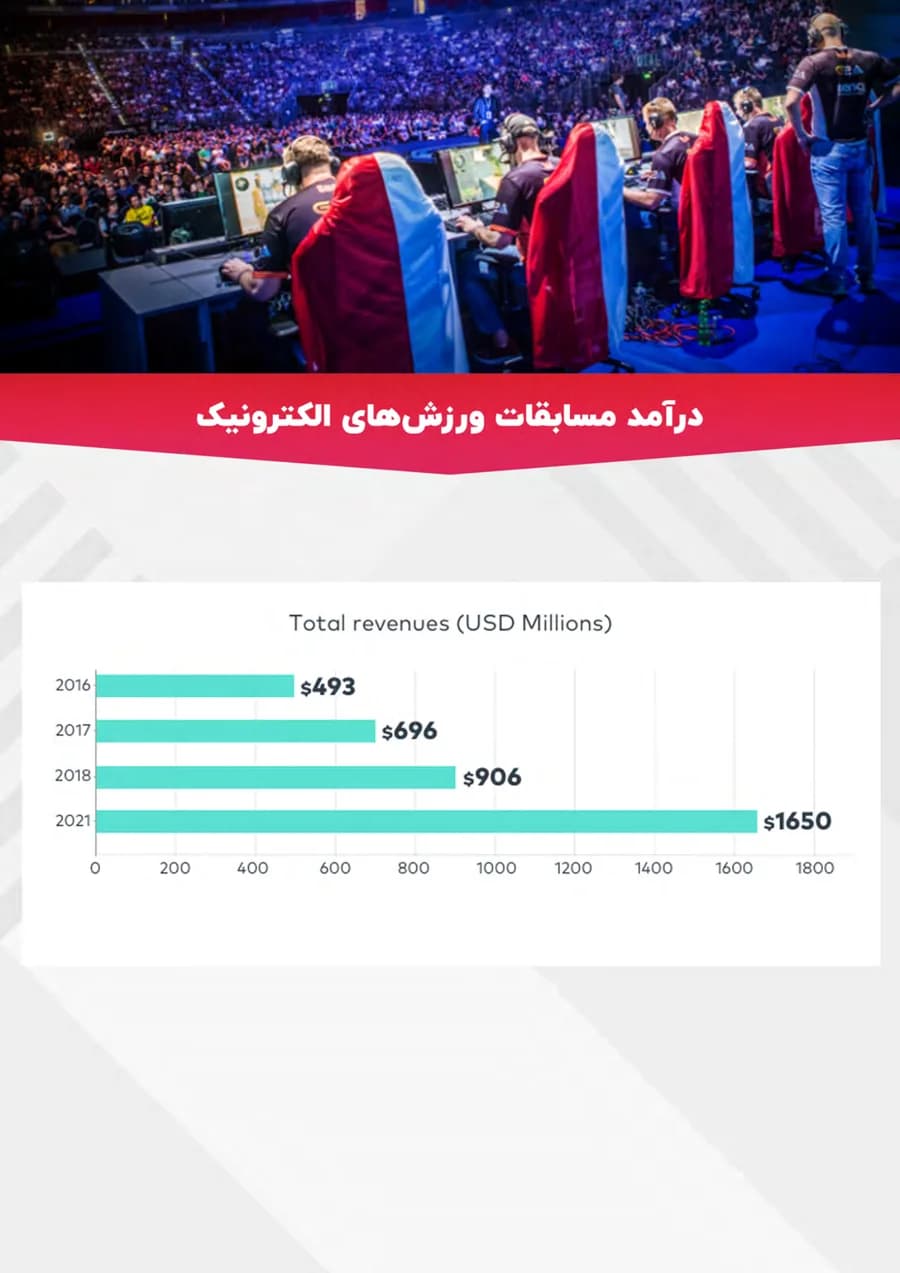
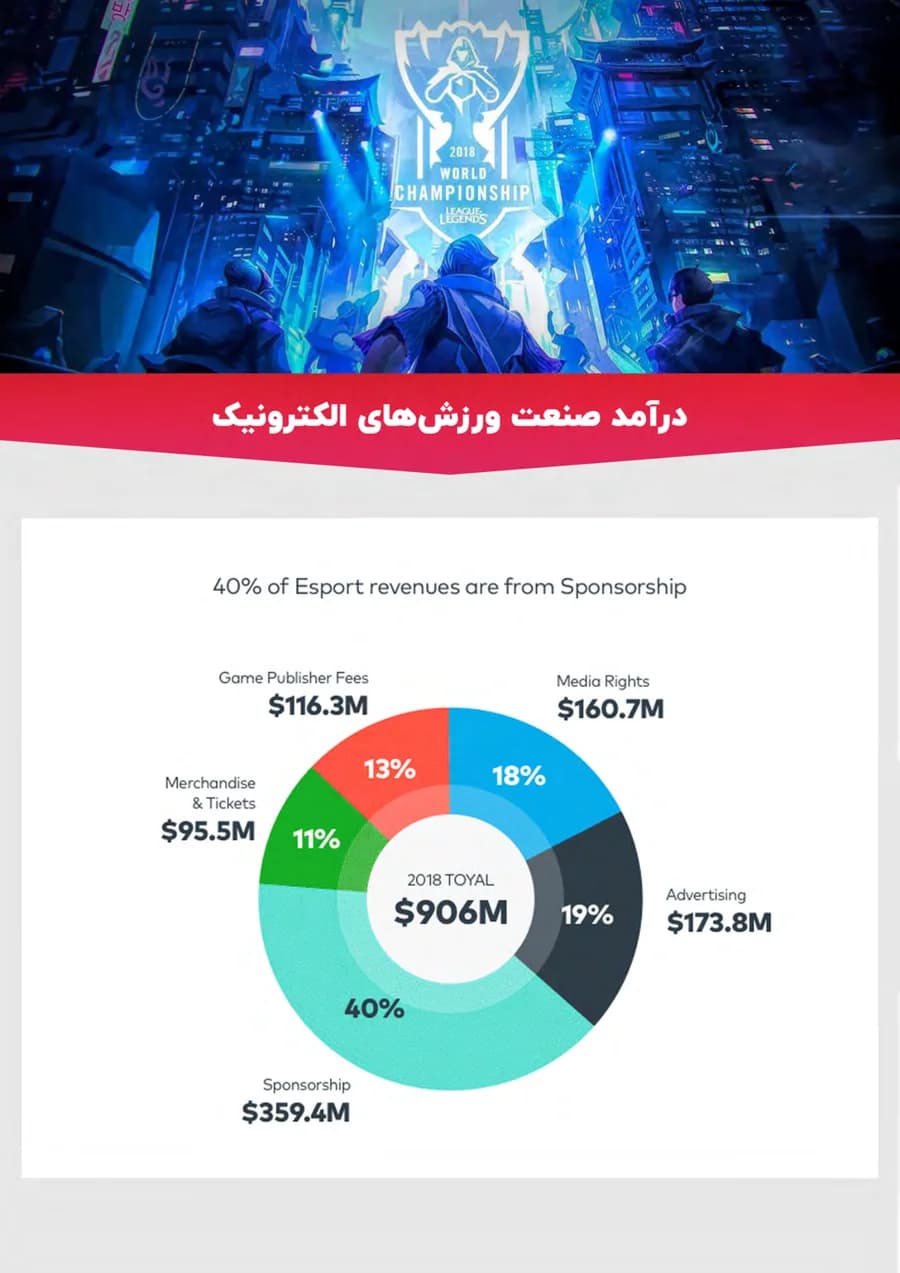
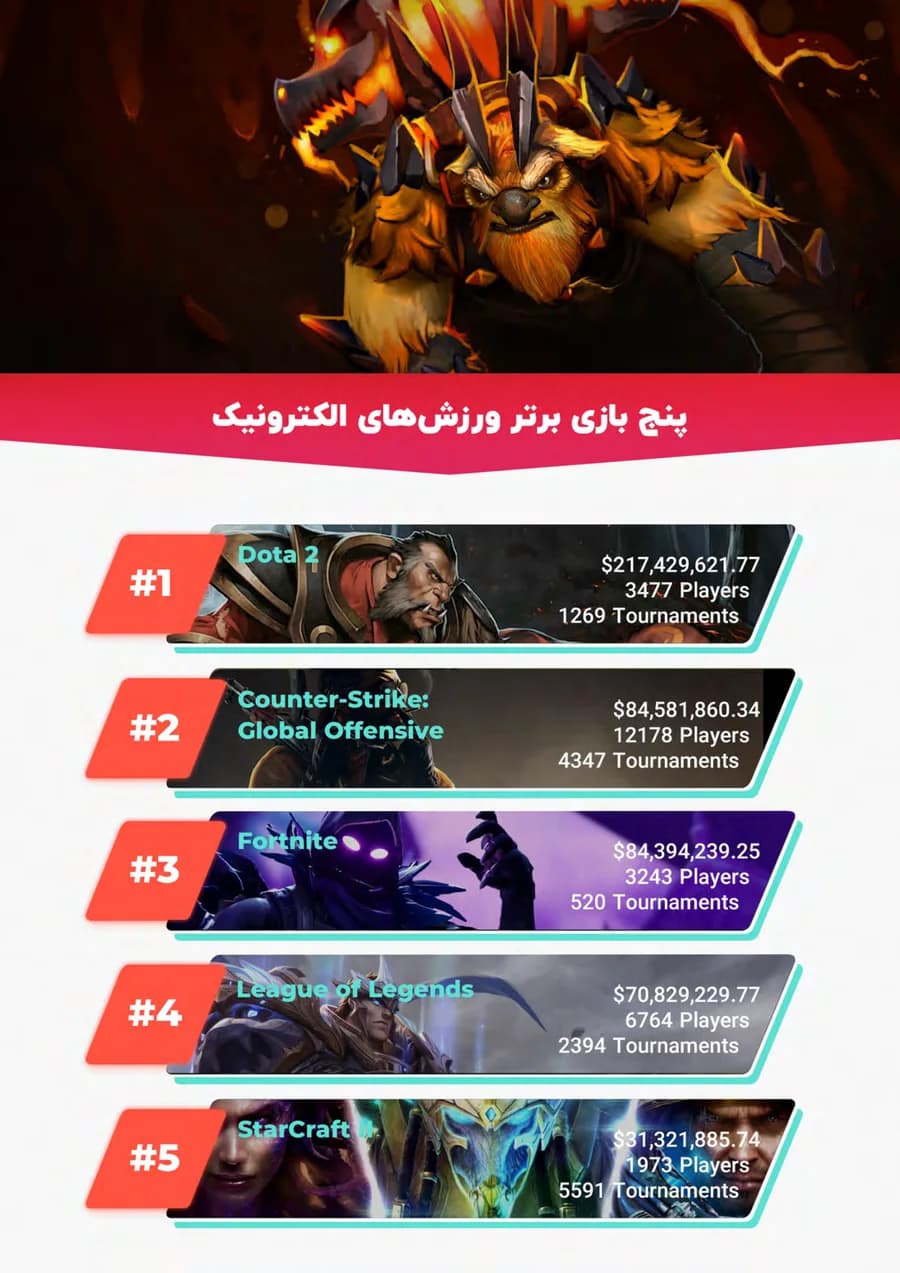
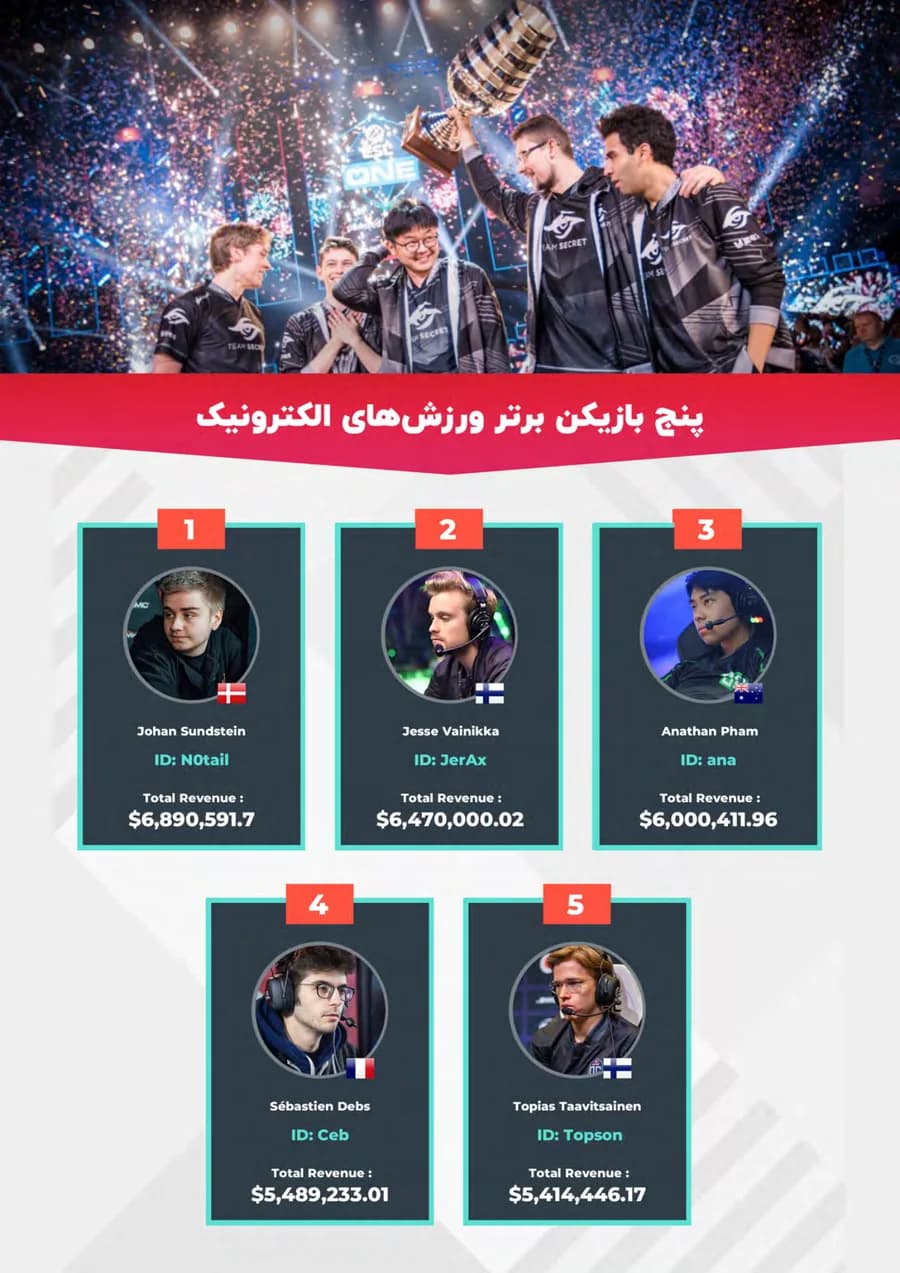
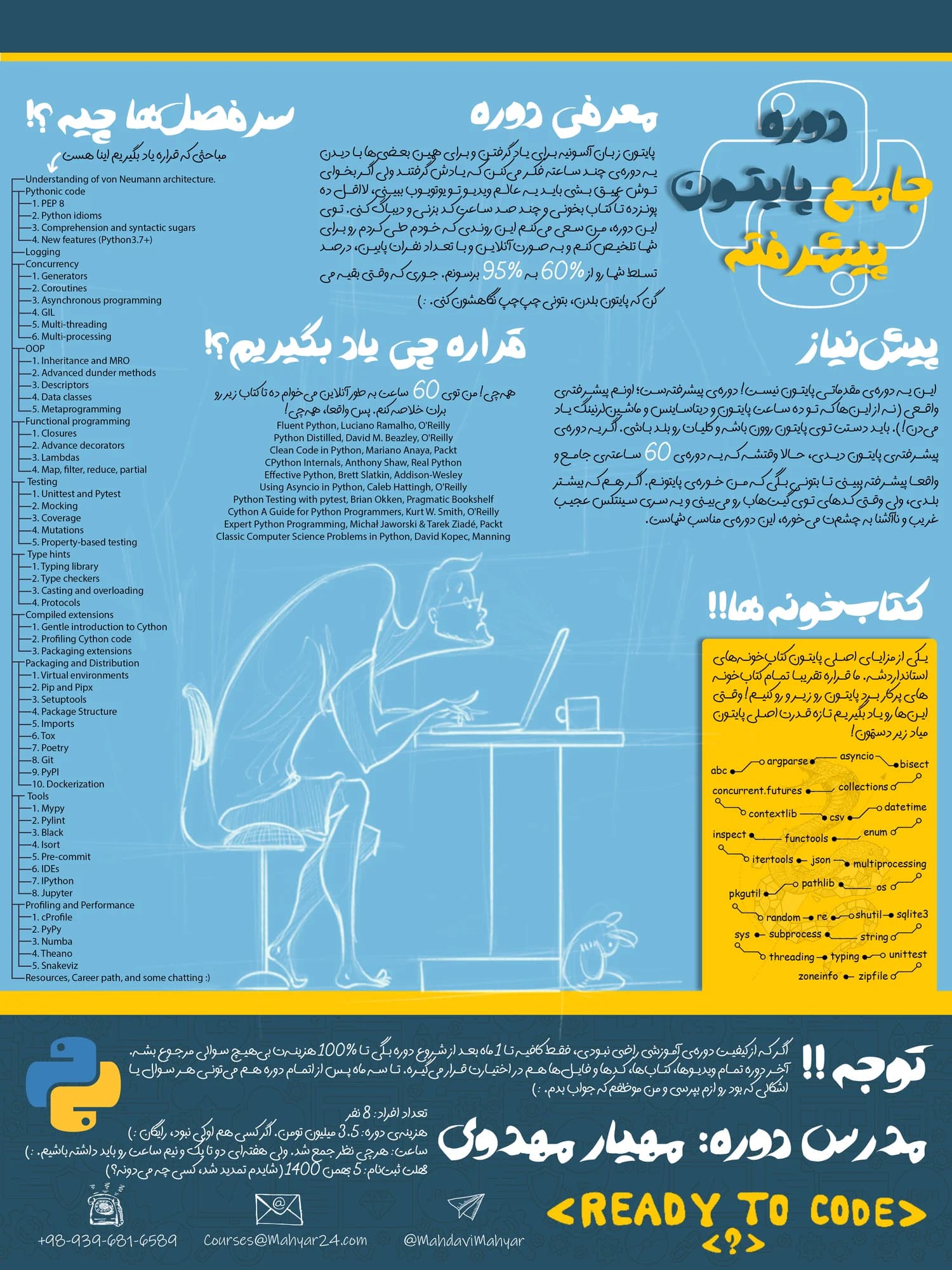

Project-based design work for Calidit, a high-temperature insulation company, for their exhibition in Dubai.
WOG had ended. What continued were two threads — one of them lived inside a game world.
I was spending years inside World of Warcraft. It felt different from ordinary software. You didn’t open it, complete a task and leave. You returned to a world where your progress, relationships, identity and history remained. I built a small community and made content around it.
That idea stayed with me.
On the other side: university, German, and a growing habit of treating a lesson as something designed — sequence, feedback, play.
For my final university project, I designed a German-learning system around something familiar: Iran.
Grammar, dialogue, culture, exercises and visual games shared the same pages. A trip to Shiraz taught the Präteritum. Tehran and Berlin taught the verb wollen. A board game ran from the Brandenburg Gate to the Azadi Tower.
It was still a book. But I had already started treating learning as an experience that could be designed.
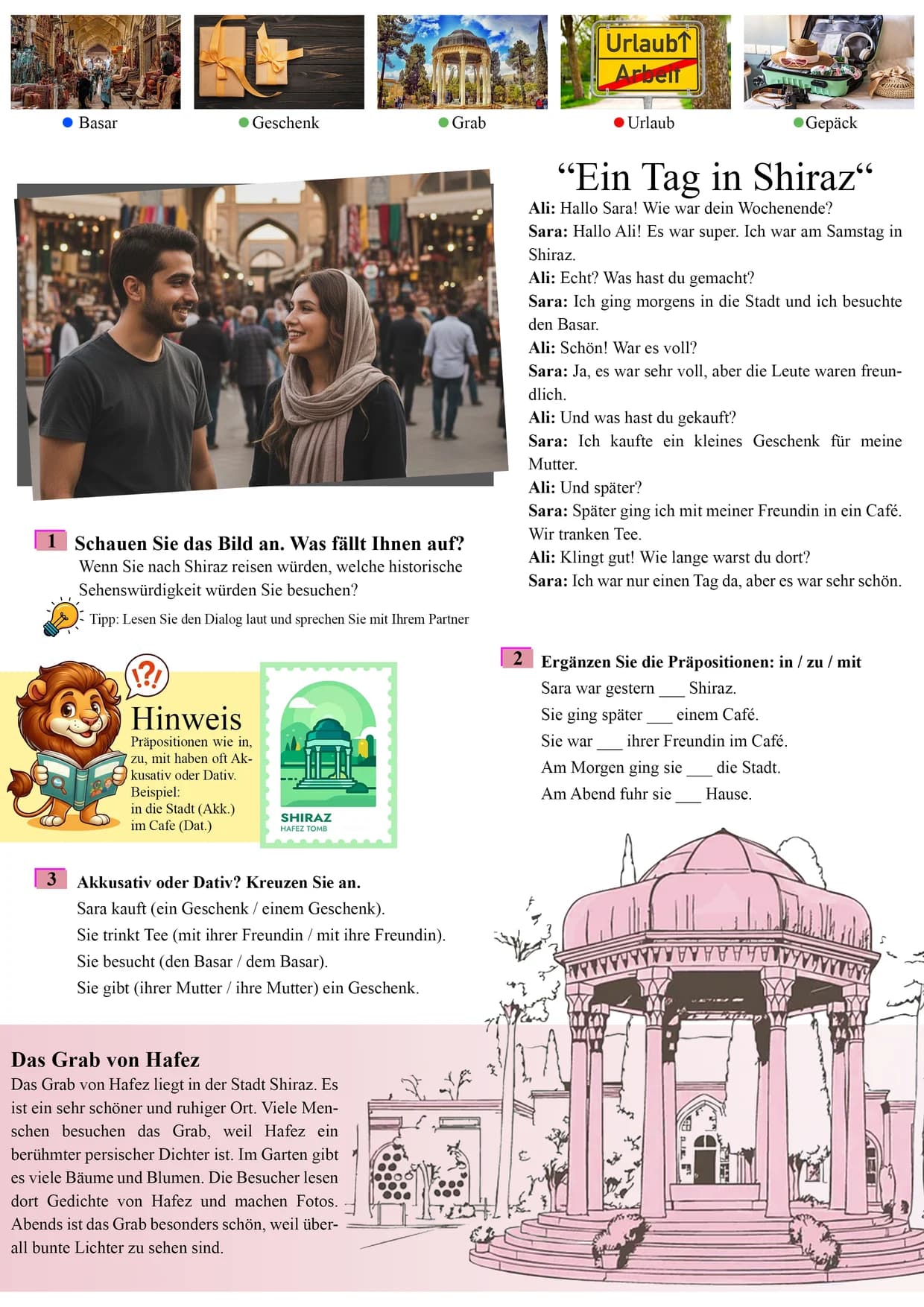
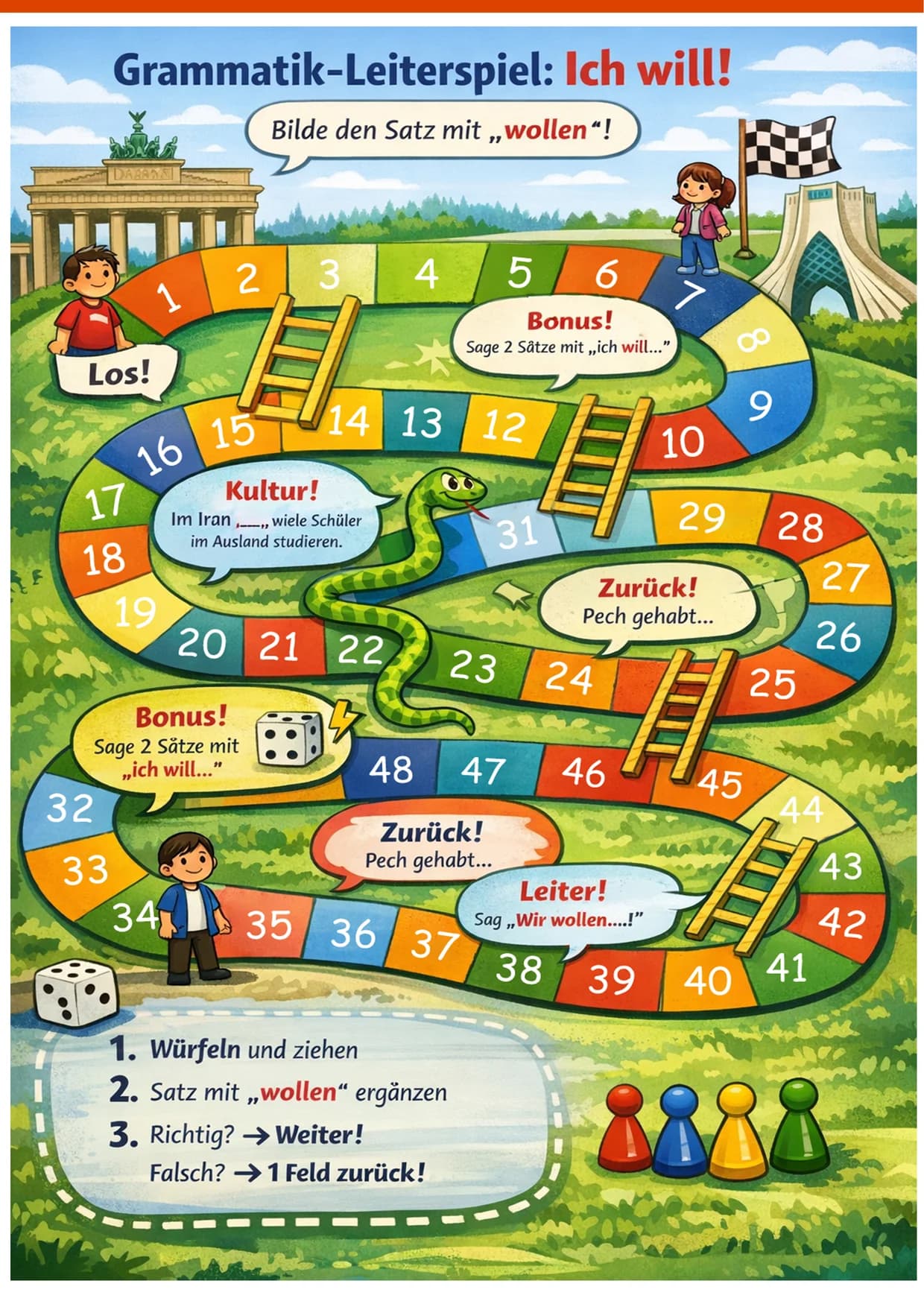
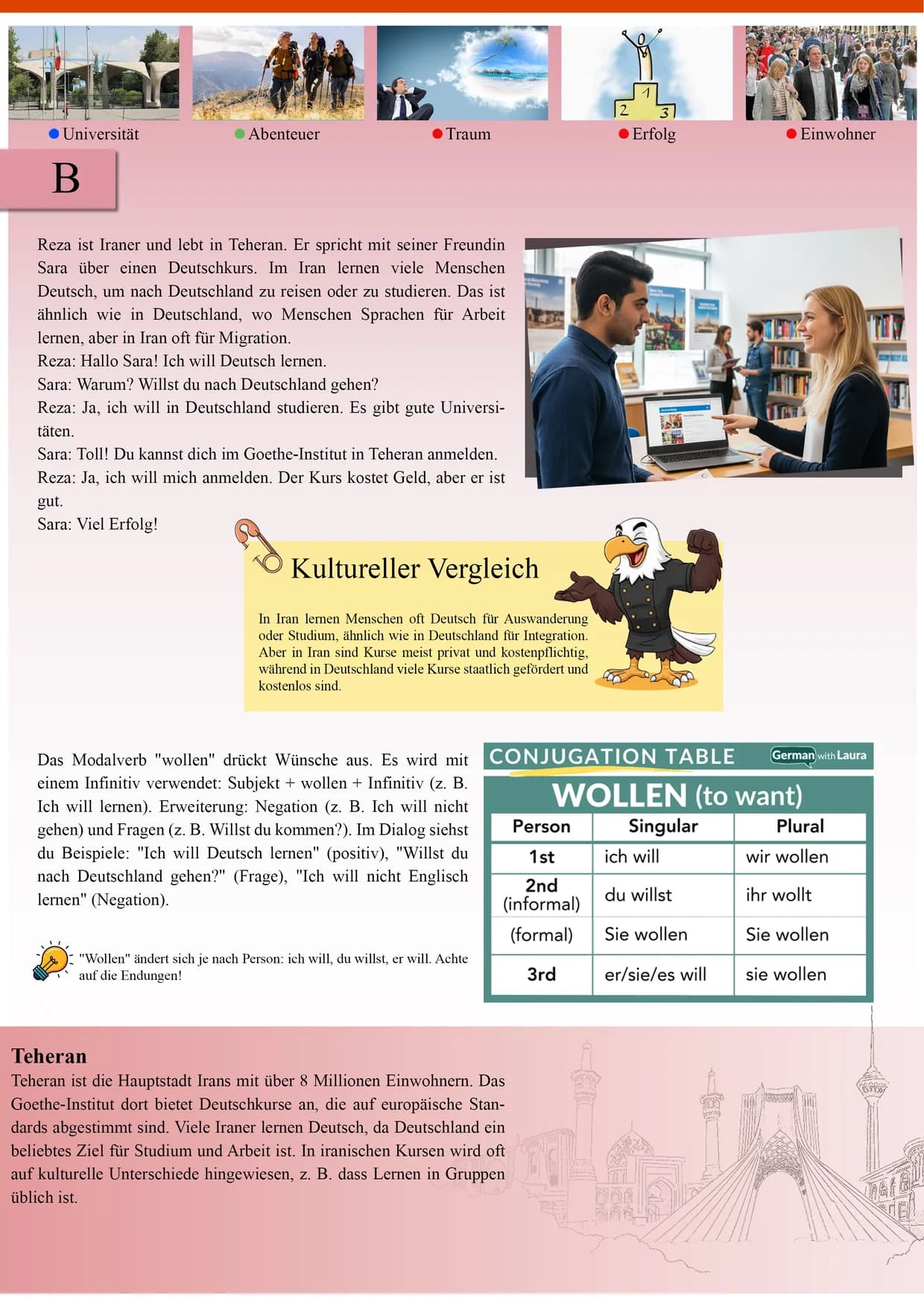
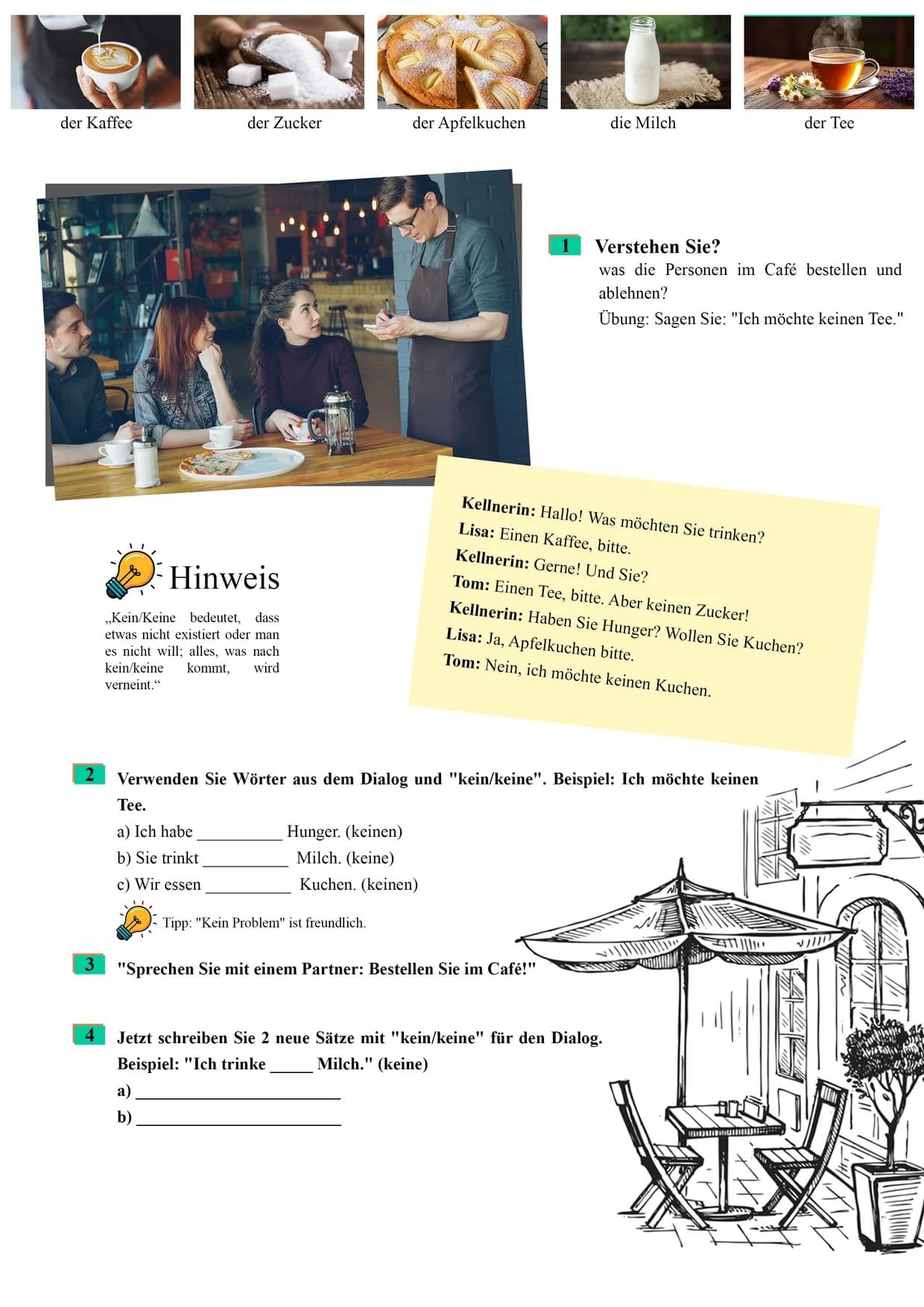
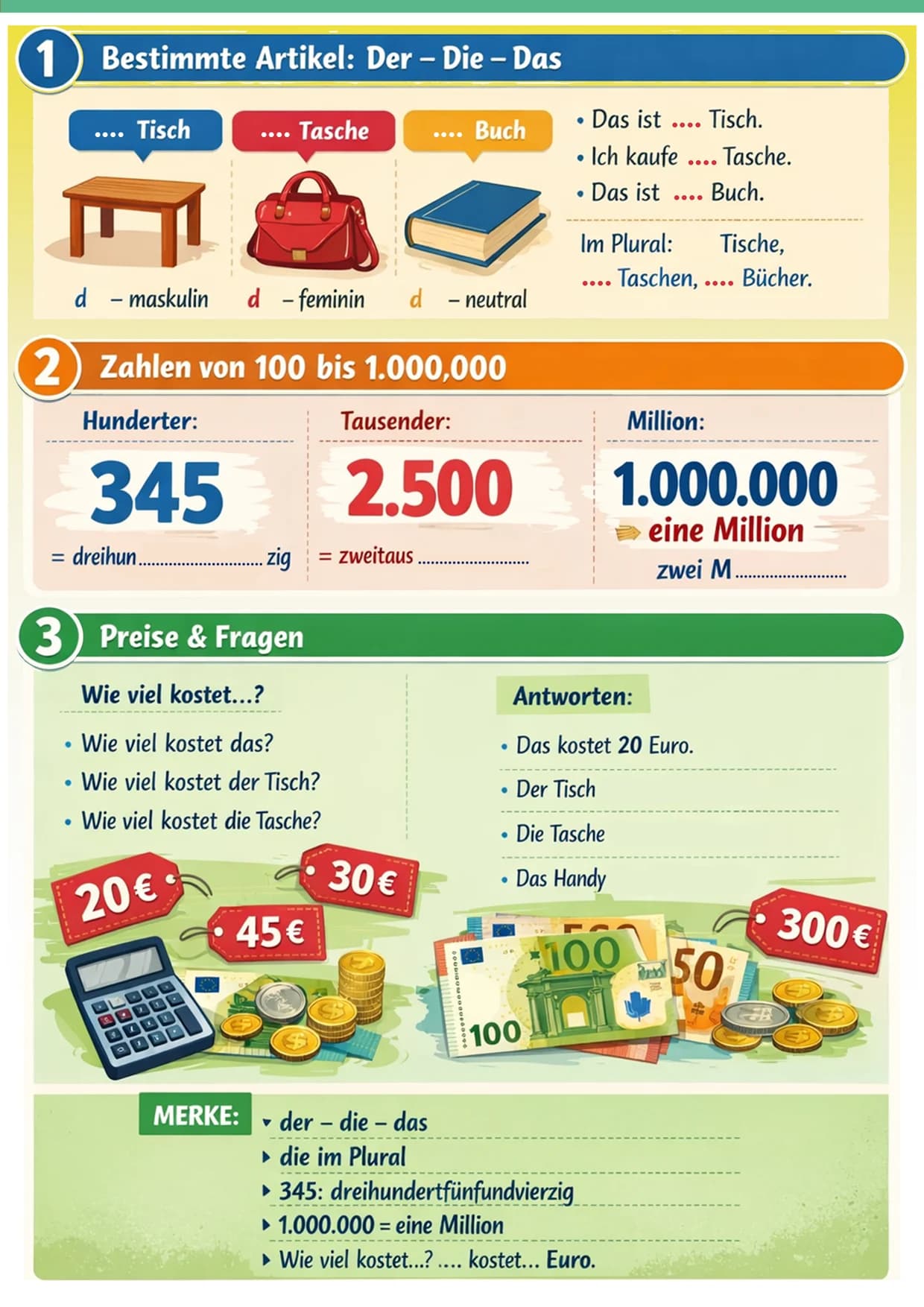
Selected pages only. The complete book is not reproduced here.
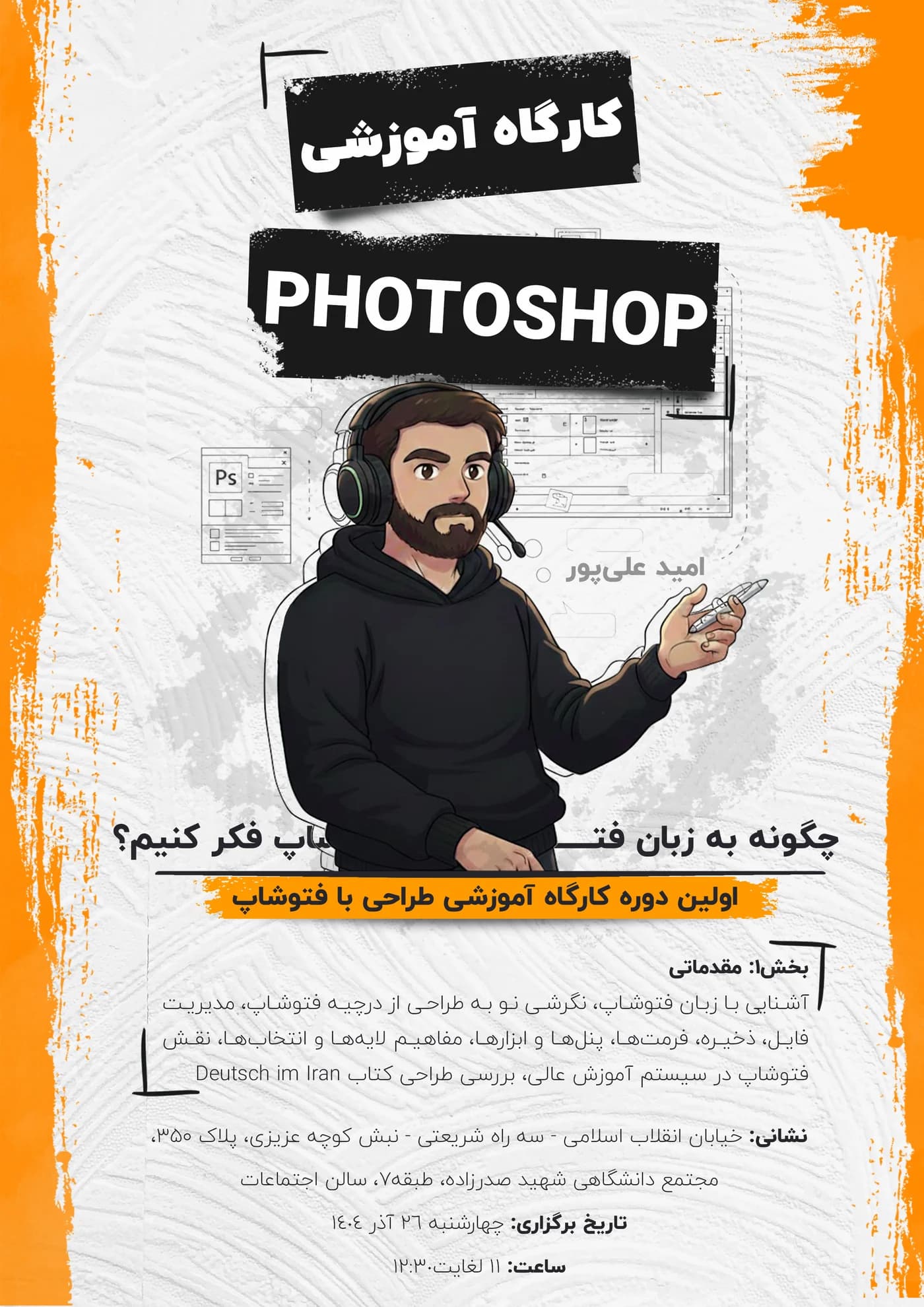
The first edition of a Photoshop workshop: how to think in the language of the tool, file and layer discipline, the role of design in higher education — and a review of how Deutsch im Iran was designed.
At university, we were often told to use dictionaries instead of AI, because dictionaries offered deeper linguistic information.
During a stretch of internet disruptions and routine, I began digitising dictionary content so it would be searchable and easy to carry. Then the question changed: why digitise the dictionary at all?
Why couldn’t AI provide the same depth — context, usage, grammar, examples, relationships — and then go further?
One taught me how people inhabit systems. The other, how people learn inside them. AI made the connection visible.
Vakav began with a simple question: why should AI give language learners faster answers when it could help them build deeper understanding?
What started as an alternative to the dictionary became a larger system for translation, analysis, practice, conversation, review, competition and progression.
Vakav is the current result. The world behind it is still being built.
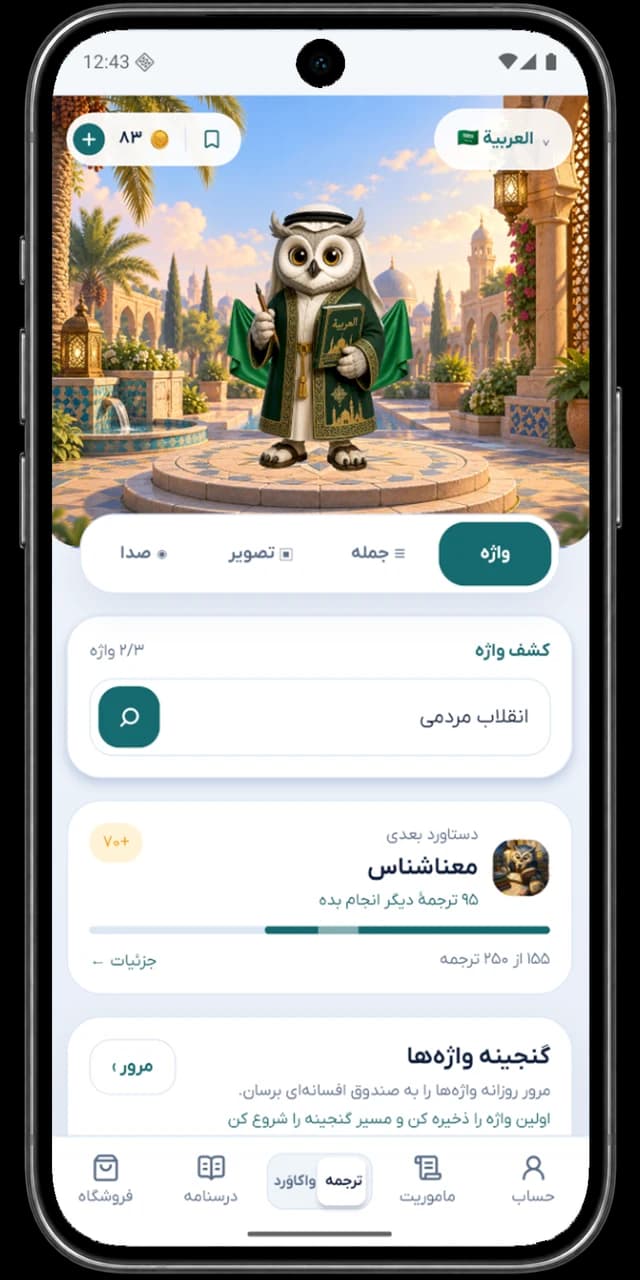
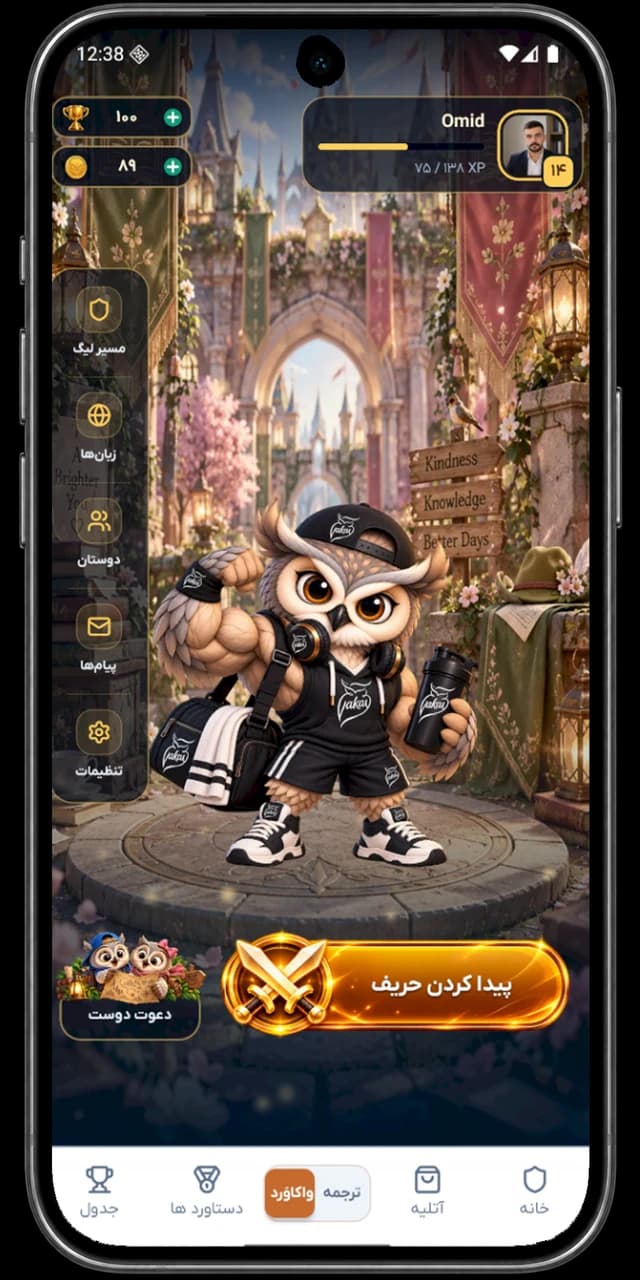
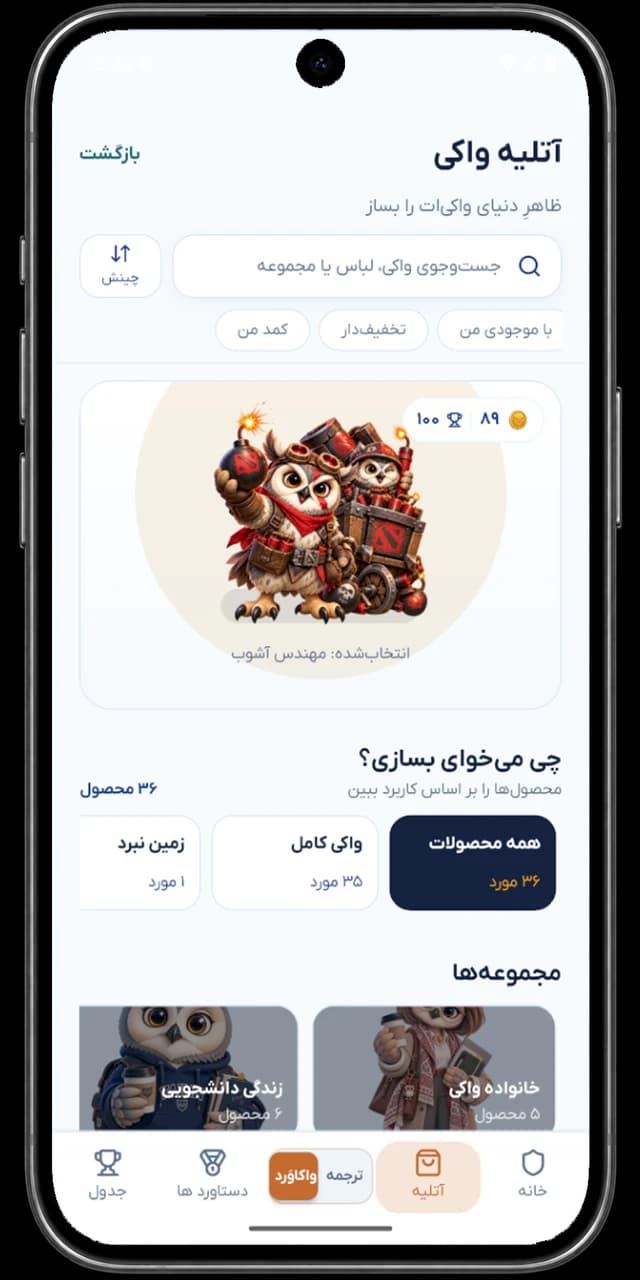
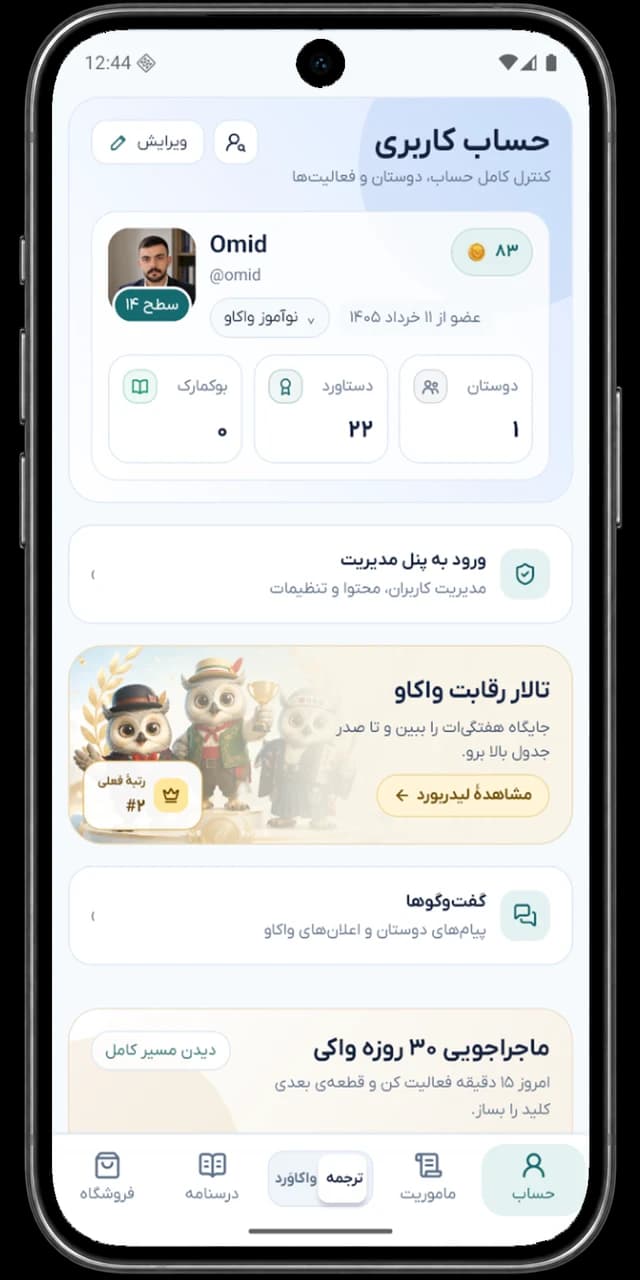
Current product, Persian interface. Screens shown as they are.

The owl who learns with you.
Vaki is a character system, not a mascot sticker: dozens of variations — students, grandparents, rivals, collectors — that carry the product’s tone from the study session to the competition arena.

My long-term thesis is that education will increasingly move from pages and applications toward persistent digital worlds.
Vakav is my attempt to explore what that transition could look like for language learning.
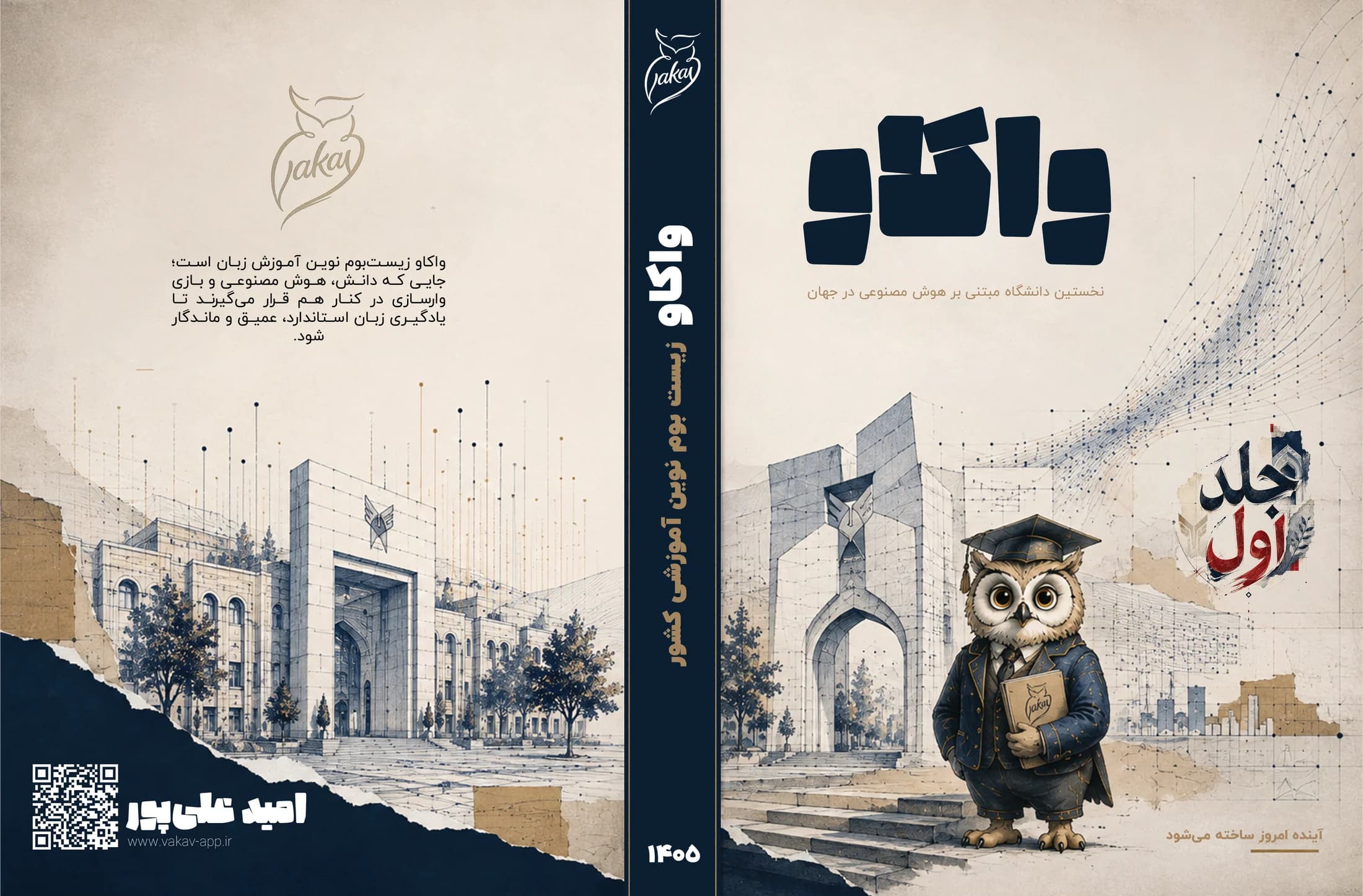
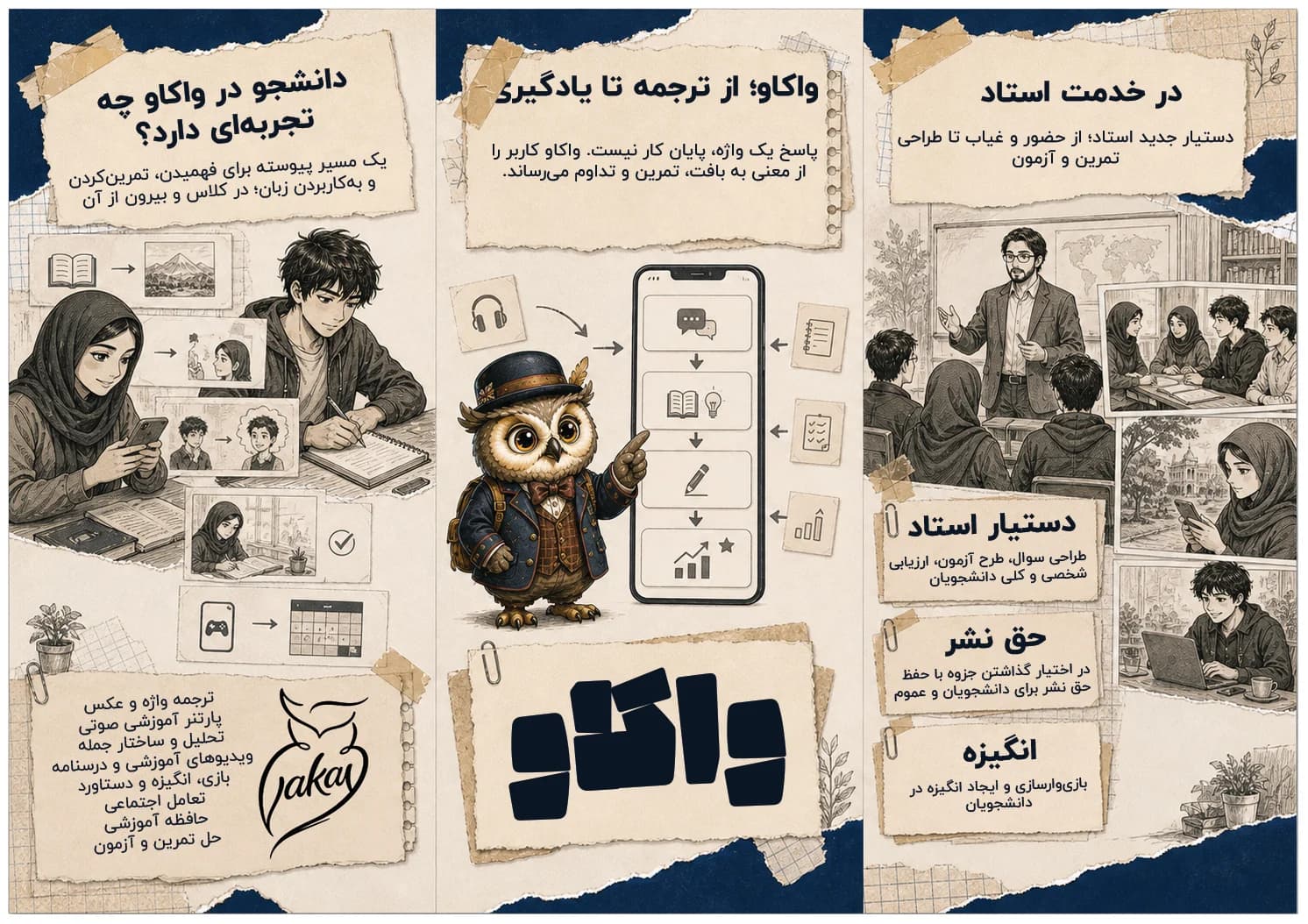
Volume I is written: a 526-page proposal told as a novel — the product, the pedagogy and the world, argued through story.
“Gaming is a job.”
Learning can be a world.
An observed pattern — not a claim of destiny.
Product, design, engineering, education, AI and business — usually at the same time.
I keep turning single activities into ecosystems — gaming into a platform, a lesson into a loop.
Visual design, UI, prototypes and concepts: I experiment aggressively.
Production, user data, auth, migrations, money: incremental, audited, one source of truth.
When something is structurally wrong, I rebuild it rather than decorate it.
It speeds up execution. It doesn’t replace deciding what is right.
Omid Alipour is an Iranian product builder and founder working across product design, software, artificial intelligence and education.
His path began in software and gaming, moved through esports entrepreneurship and German-language education, and converged in Vakav — an AI-based language-learning platform exploring how learning can evolve from an application into a persistent digital world.
If you’re building something around AI, education, digital worlds — or the future of Vakav — let’s talk.